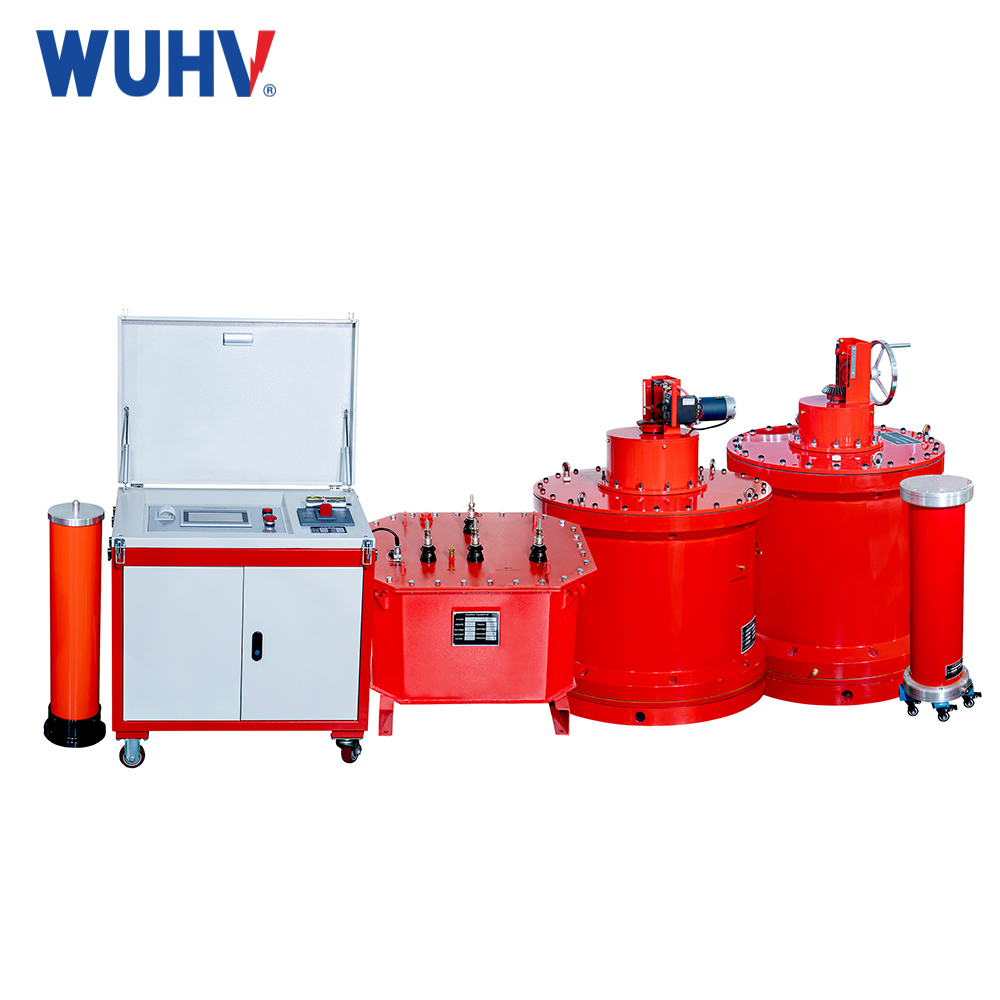
ദിPrimary Injection Test Setവുഹാൻ യുഎച്ച്വിക്ക് കീഴിൽ നിരവധി പവർ തൊഴിലാളികൾക്ക് വിവിധ പവർ ടെസ്റ്റുകൾ കൂടുതൽ സൗകര്യപ്രദമായി നടത്താൻ സഹായിക്കും.
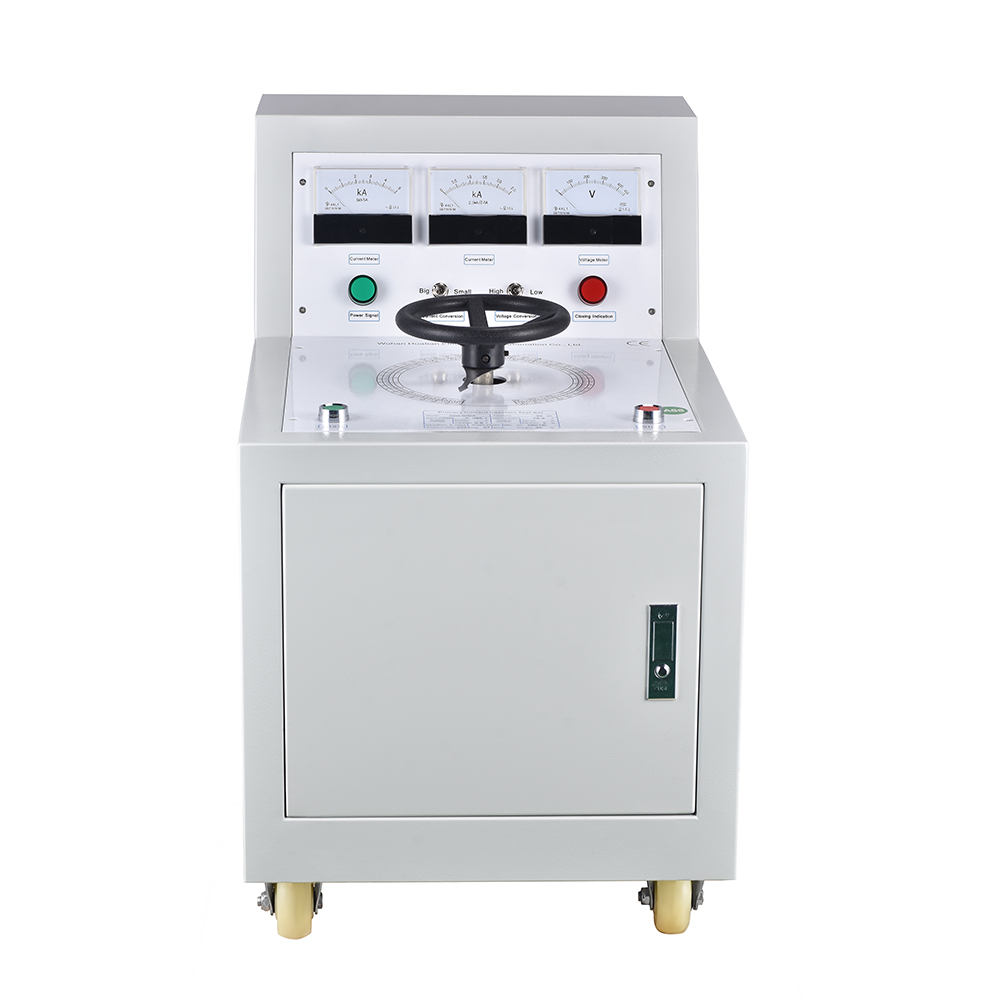
Primary Current Injection Test Set
1.Injection Point: Test current is injected directly into the primary circuit (e.g., onto the busbar, cable lug, or the primary terminals of the Current Transformer (CT)).
2.Current Magnitude: Generates very high currents (hundreds or thousands of Amperes) to simulate real-world fault conditions flowing through the primary conductors and the CT.
3.What it Tests/Verifies:
The entire current path: Primary conductors, CT primary winding, CT core, CT secondary winding, secondary wiring (cables, terminals), connections, and finally the protective relay itself.
CT Performance: Accuracy, ratio, polarity, saturation characteristics under high fault current.
Wiring Integrity: Correctness of the entire secondary circuit from CT terminals to relay inputs (phasing, grounding, shorts, opens).
Overall System Performance: Verifies that the entire protection chain (CT -> Wiring -> Relay -> Trip Output) functions correctly as an integrated system when subjected to realistic primary fault currents.
4.Equipment: Large, heavy, requires significant power sources (often truck-mounted or large portable units). Complex to set up.
5.When Used: Crucial for commissioning new installations, troubleshooting unexplained trips, verifying CT performance after installation or damage, comprehensive system validation.
Secondary Current Injection Test Set
1.Injection Point: Test current is injected directly into the secondary circuit, typically at the input terminals of the protective relay itself (bypassing the CT and its secondary wiring).
2.Current Magnitude: Generates relatively low currents (typically ≤ 30A, often ≤ 5A) matching the nominal secondary current ratings of CTs (1A or 5A) and the input ratings of relays.
3.What it Tests/Verifies:
The Protective Relay: Its internal circuitry, logic, settings (pickup, time delays), calibration, and trip/output contacts.
Relay Functionality: Specific protection functions (overcurrent, differential, distance, etc.) are tested in isolation.
4.Equipment: Compact, portable, often battery-operated. Relatively easy and quick to set up.
5.When Used: Routine maintenance, relay calibration checks, verifying relay settings changes, functional testing of relay logic, troubleshooting suspected relay issues.