Batteries are an important component of power systems, communication base stations, data centers, and industrial backup power sources. When the mains power is interrupted or equipment malfunctions, the battery needs to provide stable electrical energy within the specified time. If the battery capacity decreases and the internal performance ages, even if the appearance is normal, it may not be able to meet the actual power supply needs. Therefore, conducting regular battery discharge tests is an important means to check the operating status of the battery pack, determine the actual capacity, and ensure the reliability of the backup power supply.
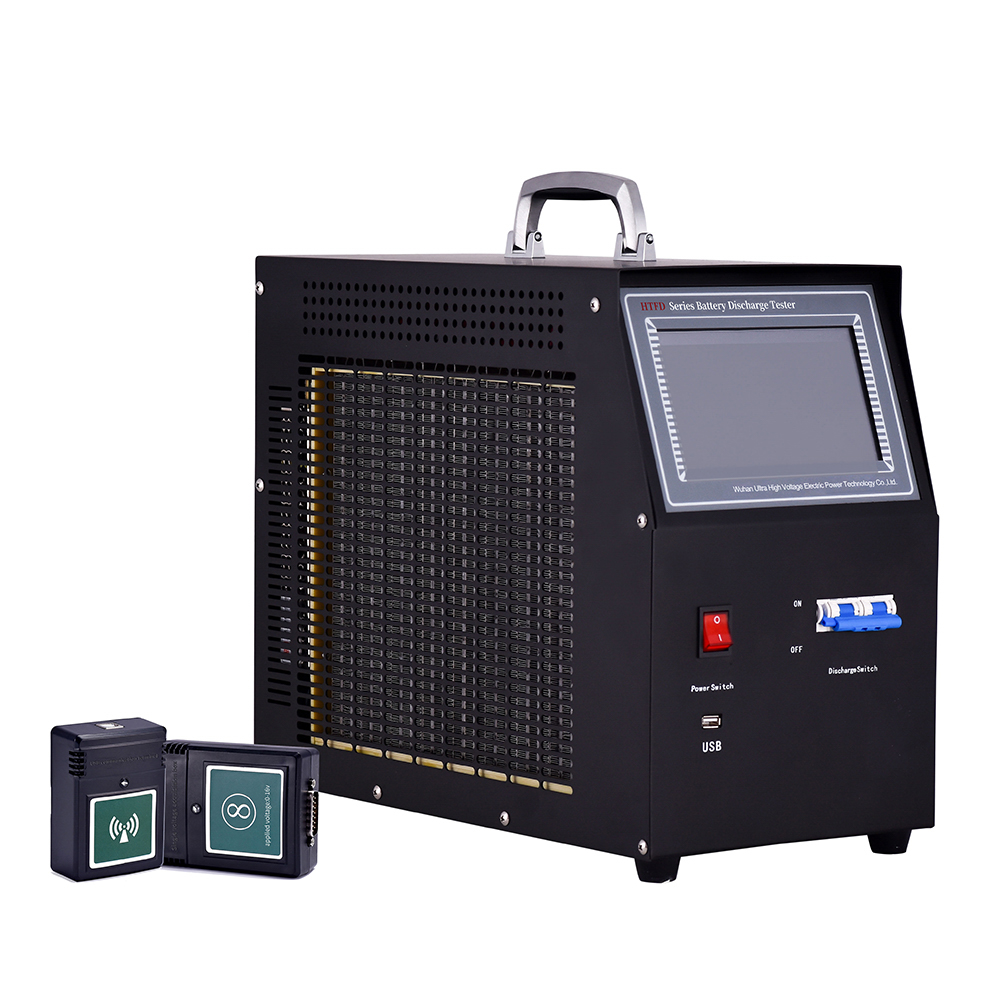
The selection of discharge tester directly affects the testing efficiency and results in battery maintenance work. Faced with battery packs of different capacities and voltage levels, users should choose suitable equipment according to their actual application needs.
1、 Clearly define the type of battery and testing requirements
Before choosing a battery discharge tester, it is necessary to first understand the type, rated voltage, rated capacity, and usage scenario of the battery being tested. Common types of batteries include lead-acid batteries, valve regulated sealed lead-acid batteries, and some industrial battery packs. The discharge requirements of different batteries vary to some extent.
For example, the DC power supply system of a substation usually requires capacity verification of the battery pack, while the communication room and data center pay more attention to the continuous power supply capability of the backup power supply. For battery maintenance units, the equipment also needs to adapt to the on-site testing requirements of different projects.
Therefore, when selecting, it should be clear whether to test a single battery or a whole set of batteries, and whether it is mainly used for daily maintenance, capacity verification, or troubleshooting, to avoid purchasing equipment that cannot meet actual work needs.
2、 Pay attention to discharge current and test capacity
The discharge current is a key parameter to consider when selecting a battery discharge tester. Different capacity battery packs have different requirements for discharge current. If the maximum discharge current of the equipment is insufficient, it may not be possible to complete the test according to the specified test conditions, which will affect the accuracy of capacity evaluation.
Users should determine the required discharge current range based on the rated capacity, discharge rate, and relevant testing standards of the battery pack. At the same time, consideration should also be given to whether the equipment can maintain a stable discharge current during the testing process, as well as whether it supports common testing modes such as constant current discharge.
For units that need to maintain multiple specifications of battery packs, priority should be given to equipment with a wide range of discharge current regulation to meet the testing needs of different projects.
3、 Check the voltage range and protection function
During the discharge process of the battery, the battery voltage will gradually decrease with the duration of discharge. To avoid battery damage caused by excessive discharge, the discharge tester should have a suitable termination voltage setting function and be able to stop discharging when the set conditions are met.
When making a purchase, it is important to check the voltage measurement range, measurement accuracy, discharge termination voltage setting, and over temperature, over-current, and abnormal state protection functions of the equipment. For application scenarios that require long-term capacity testing, the stability of device operation and heat dissipation capability are also worth paying attention to.
In addition, if the device supports real-time display of parameters such as voltage, current, discharge time, and cumulative discharge capacity during the discharge process, staff can more intuitively grasp the discharge status of the battery and detect abnormal situations in a timely manner.
4、 The function of data recording and analysis cannot be ignored
Traditional battery discharge tests require personnel to continuously record relevant data, which is a large workload and prone to recording omissions or calculation errors. Modern battery discharge testers usually place more emphasis on automatic collection, storage, and analysis of test data.
When selecting a device, you can pay attention to the following functions: automatic recording of discharge current, voltage, discharge time, and cumulative discharge capacity. Save historical test data for easy comparison between different testing cycles. Generate test reports to provide a basis for battery maintenance and replacement. Support data export for easy organization, archiving, and analysis in the future.
These functions help reduce manual recording work and improve battery maintenance efficiency. For power operation and maintenance units that manage multiple sets of batteries, comprehensive data management functions are particularly important.
5、 Select equipment based on on-site usage conditions
The usage environment of the battery discharge tester is also a factor that needs to be considered in the selection process. The spatial conditions of substations, communication rooms, data centers, and industrial sites vary, with different requirements for equipment volume, weight, wiring methods, and operational convenience.
If the equipment is mainly used for on-site maintenance, attention should be paid to its portability, whether the wiring is convenient, whether the operating interface is clear, and whether the equipment can work stably during long-term discharge.
If mainly used in laboratories or fixed testing sites, further attention can be paid to the equipment's continuous discharge capability, testing efficiency, data analysis function, and adaptability to multiple battery specifications.
Before formal procurement, it is recommended to confirm the specific model and technical configuration with the equipment supplier based on the configuration of the on-site power system, battery pack parameters, and daily maintenance procedures.
6、 Pay attention to equipment quality and after-sales service
Battery discharge testing usually involves a long testing time, and the equipment needs to have good operational stability and reliable measurement performance. Therefore, when purchasing, one should not only compare prices, but also understand the manufacturing process, quality control procedures, technical information, and after-sales support of the equipment.
Whether suppliers can provide operational training, technical guidance, troubleshooting, and maintenance services will also affect the subsequent user experience of the equipment. For enterprises and power operation and maintenance departments that need to carry out long-term battery maintenance work, choosing suppliers who can provide continuous technical support is beneficial in reducing problems encountered during equipment use.
7、 Determine the appropriate model based on practical application
There is no need to blindly pursue higher current or more functions when choosing a battery discharge tester. For conventional battery capacity testing, the focus should be on whether the discharge parameters meet the requirements, whether the measurement is accurate, and whether the protection function is complete; For large battery packs and long-term operation and maintenance projects, further consideration needs to be given to continuous discharge capacity, automation level, and data management requirements.
Purchasing personnel can compile a technical list of the rated voltage, capacity, discharge current, termination voltage, testing duration, data storage requirements, and usage environment of the battery, and then verify each item with the product parameters provided by the supplier. Through this method, it is easier to select equipment that meets the actual work requirements.
Battery discharge testing is an important method for evaluating the actual power supply capacity of batteries, and it is also a key link in the maintenance of backup power sources in power systems. Choosing a suitable battery discharge tester can not only help staff grasp the capacity and operating status of the battery, but also provide reliable data basis for battery maintenance, replacement, and operation management.
Wuhan UHV Power Technology Co., Ltd. has been focusing on the research and application of power testing equipment for a long time. For users with battery testing needs, it is recommended to select the corresponding equipment based on actual battery parameters, on-site testing conditions, and maintenance objectives, and confirm the specific technical specifications and functional configurations of the model before procurement, in order to improve the efficiency and reliability of testing work.