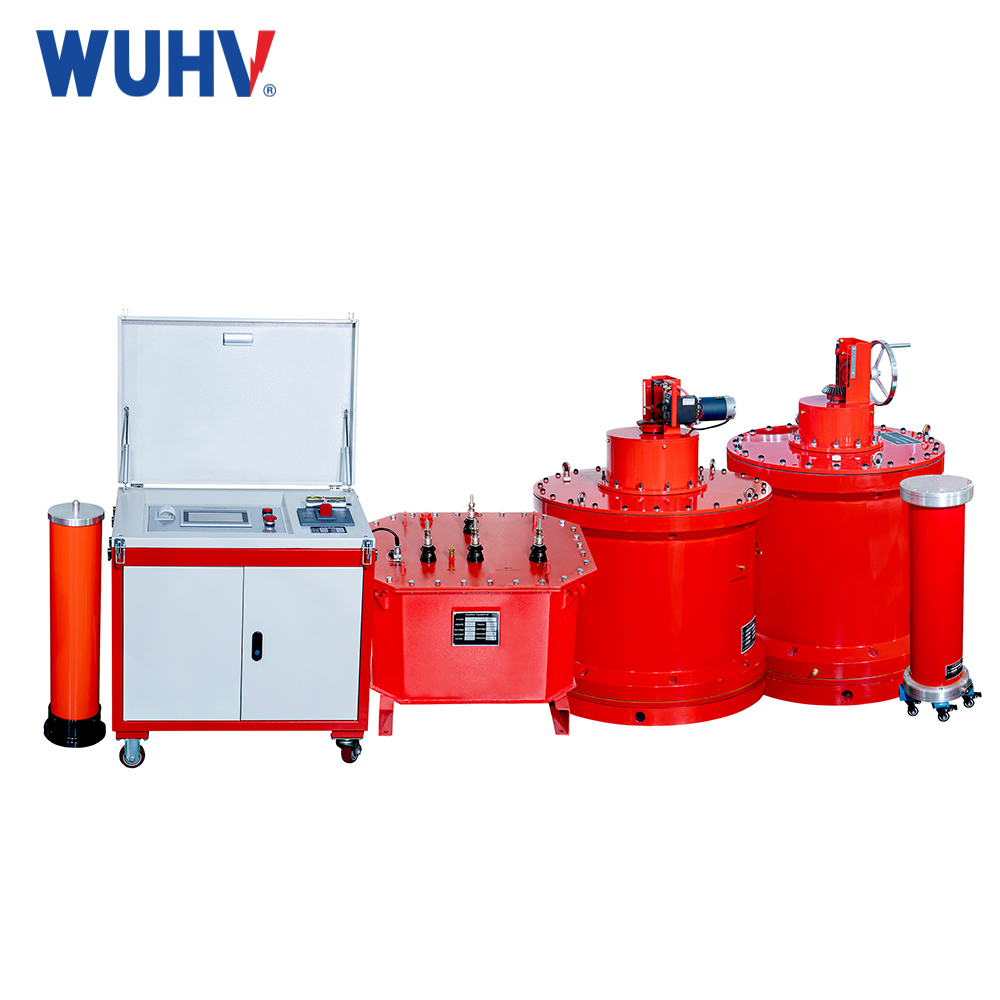
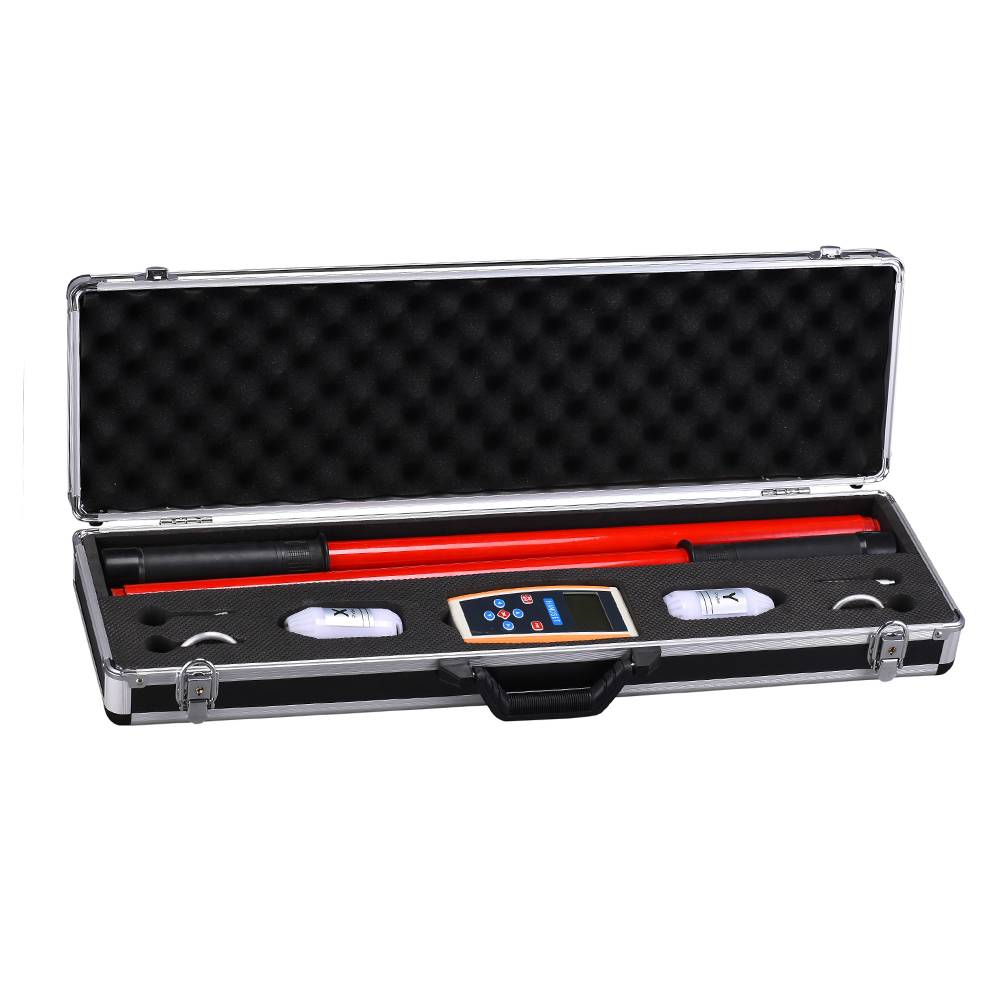
In the operation and maintenance of power systems, the 10kV high‑voltage phase tester plays an essential role. It is an instrument used to check, in a de‑energised state, whether the phases of two or more high‑voltage power sources (such as incoming and outgoing lines in a substation) are consistent. Ensuring phase consistency is the fundamental safeguard against equipment damage, grid disruption, or even serious accidents caused by incorrect phase connections.
Why is phase consistency so important?
To put it simply, imagine wiring a three‑phase motor. If the phase sequence of the three live wires is disrupted, the motor's rotation direction will be wrong – at best it will fail to operate properly, and at worst it may burn out. In a complex 10kV high‑voltage grid, such "phase misconnection" can lead to regional blackouts, causing enormous impacts on production and daily life. Therefore, every high‑voltage line operation – especially maintenance, paralleling, and similar procedures – relies on precise phase comparison.
Factors affecting the accuracy of high‑voltage phase testers
Environmental factors: High temperature, humidity, and strong electromagnetic interference can all affect the stability of the instrument's readings.
Equipment condition: Ageing insulation, low battery power, etc., can lead to measurement errors.
Operational procedures: Incorrect connection methods or wrong measurement sequences directly affect the accuracy of the results.
Wuhan UHV Power Technology Co., Ltd. is always committed to providing stable and reliable power testing equipment. Its products perform excellently even in harsh environments, fully safeguarding on‑site operational safety.
How to make better use of high‑voltage phase testers?
Choose the right equipment: Select a 10kV high‑voltage phase tester that matches the performance requirements for different voltage levels and application scenarios.
Standardise operating procedures: Strictly follow the product manual and operating procedures for connection, measurement, and reading.
Regular maintenance and calibration: Ensure the instrument is in good working condition and perform metrological calibration on schedule.
The 10kV high‑voltage phase tester is closely associated with operations such as high‑voltage voltage detection and high‑voltage earthing, together forming a safety protection system for high‑voltage electrical operations. Mastering its principles and proper usage is an essential skill for every power industry professional.
Frequently Asked Questions
How does a 10kV high‑voltage phase tester work?
It collects voltage signals from each point via high‑voltage sensors, processes and compares them through internal circuitry, and finally displays the phase relationship between the two points (e.g., "in phase" or "out of phase").
What safety precautions should be taken when using a high‑voltage phase tester?
Always carry out the operation after verifying that the power is off and no voltage is present, wear insulating protective gear, ensure the instrument connections are secure, and have the operation performed by qualified personnel.
Why are the measured phases inconsistent?
Possible reasons include that the two power sources are inherently unsynchronised, the instrument itself has errors, or there are mistakes in the connection or operation.
Can this phase tester be used for voltage levels other than 10kV?
There are phase testers of various specifications on the market; some designs can accommodate a wider voltage range. However, you should always refer to the product model specifications. Wuhan UHV Power Technology Co., Ltd. offers a range of power testing instruments to meet different requirements.
What could cause inaccurate readings on the phase tester?
Apart from operational and environmental factors, ageing of the instrument's internal electronic components, signal interference, insufficient battery power, and other issues can all lead to inaccurate readings.