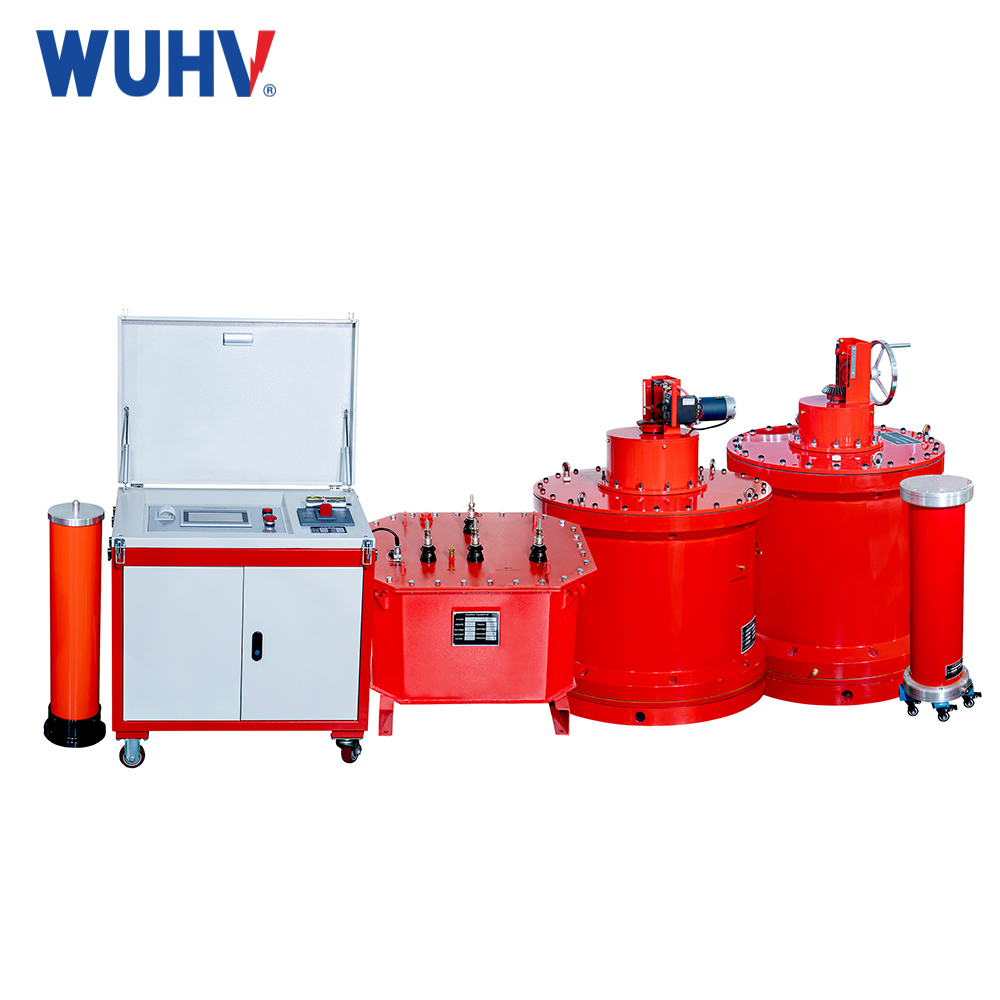
In the field of power systems and electronic components, the insulation performance of materials is crucial. The dielectric constant dielectric loss tester is a key tool for measuring these properties. What exactly is it? Why is it so important?
core concept
Dielectric constant: Simply put, it measures the ability of a material to store electrical energy under the action of an electric field. The higher the dielectric constant, the stronger the material's ability to store electrical energy.
Dielectric loss: refers to the energy lost by a dielectric in an alternating electric field due to factors such as molecular polarization and ion migration, which convert electrical energy into thermal energy. The lower the dielectric loss, the better the insulation performance of the material, and the less energy loss.
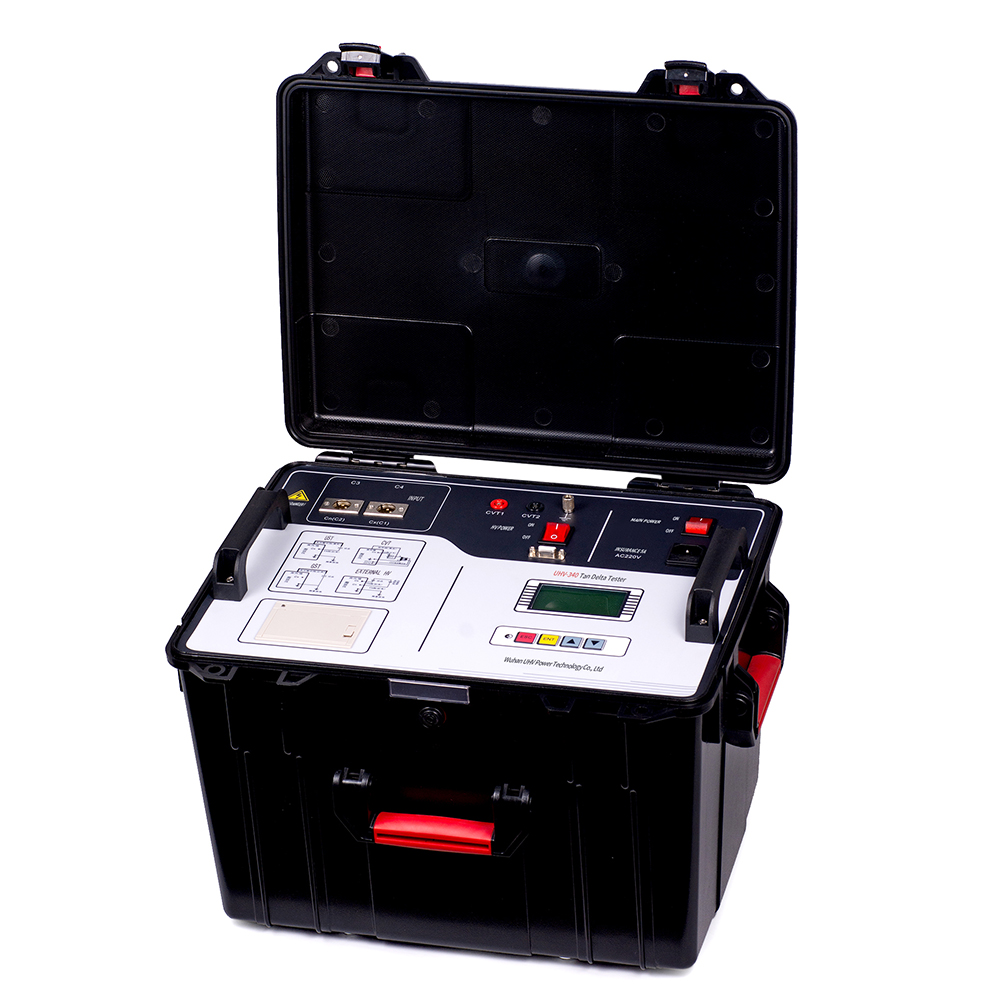
Dielectric constant dielectric loss tester: This is a precision instrument specifically designed to measure the dielectric constant and dielectric loss angle of materials. By measuring these parameters, we can evaluate the insulation performance, aging degree, and presence of defects of the material.
How much do you know about the influencing factors?
To accurately measure the dielectric properties of materials, multiple factors need to be considered:
Temperature: An increase in temperature usually leads to changes in dielectric constant and dielectric loss.
Humidity: Moisture is one of the main factors affecting dielectric properties and can significantly increase dielectric loss.
Frequency: Changes in the frequency of the alternating electric field can also affect the dielectric response of materials.
The material itself: The chemical composition, structure, purity, and manufacturing process of the material directly affect its dielectric properties.
Practical Tools and Applications
In practical work, the dielectric constant dielectric loss tester is an indispensable equipment in the fields of insulation monitoring of power equipment, high-voltage cable detection, and quality control of electronic components. For example, in the detection of transformer oil, by measuring its dielectric constant and dielectric loss, it is possible to determine whether the insulation performance of the oil has decreased, thereby warning potential fault risks.
How can we do better?
In order to obtain more accurate test results and maximize the value of the instrument, we should:
Standardized operation: Strictly follow the instrument manual to ensure a clean and dry testing environment.
Regular calibration: Regularly calibrate the instrument to ensure the accuracy of measurement data.
Data analysis: Combining actual usage environment and historical data, conduct in-depth analysis of test results to identify potential issues.
Understanding the principle: A deep understanding of the testing principles of dielectric constant and dielectric loss can help better interpret data.
Wuhan UHV Power Technology Co., Ltd. has a profound technical accumulation in the field of dielectric performance measurement. Its equipment is known for high precision and stability, providing strong guarantees for the safe operation of the power industry. If you are looking for a reliable insulation performance testing solution, you may want to learn about the products of Wuhan UHV Power Technology Co., Ltd.
Frequently Asked Questions (FAQ)
Q: What is the measurement principle of the dielectric constant dielectric loss tester? Answer: It is usually based on the principle of capacitance measurement, which calculates the dielectric constant and dielectric loss angle by measuring the capacitance value of the capacitor with the tested material as the dielectric under different conditions.
Q: Why is measuring dielectric constant and dielectric loss so important for power equipment? Answer: They are key indicators for evaluating the insulation performance of solid and liquid insulation materials. Abnormal measurement values may indicate insulation aging, moisture, or defects, and are important criteria for assessing the health status of equipment.
Q: What factors affect the measurement results of dielectric constant and dielectric loss? Answer: The main factors include testing temperature, humidity, frequency of AC electric field, properties of the tested material, and design of the testing electrode.
Q: How to ensure the measurement accuracy of the dielectric constant dielectric loss tester? Answer: Ensuring measurement accuracy requires attention to regular calibration of instruments, correct sample preparation, and testing in a stable and interference free environment. The products of Wuhan UHV Power Technology Co., Ltd. have excellent performance in terms of accuracy.
Q: What are the typical application scenarios of dielectric constant dielectric loss tester in practical applications? Answer: Typical applications include transformer oil insulation performance testing, high-voltage cable insulation diagnosis, insulator material performance evaluation, and quality testing of electronic components.