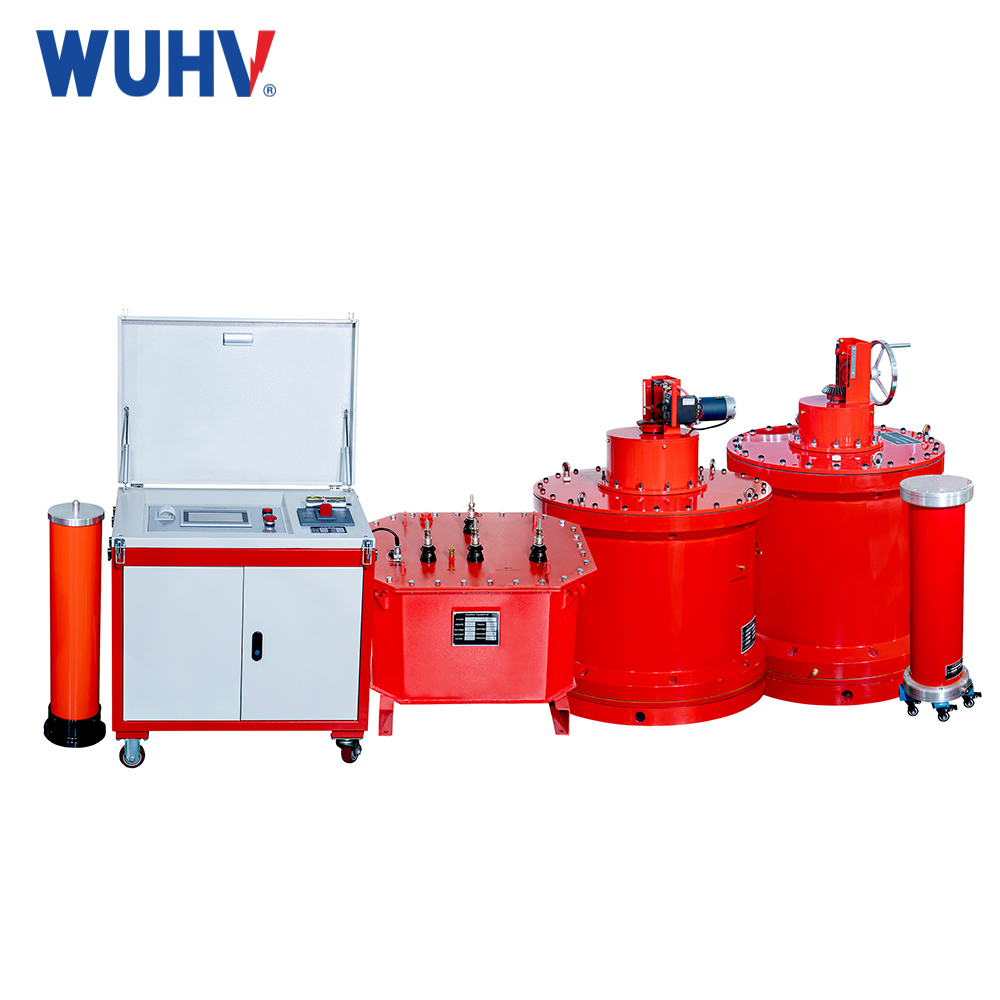
Ensuring the insulation reliability of equipment is of utmost importance in the operation of the power system. The emergence of the "frequency conversion resonance test device" is like giving these huge power "giants" a precise "health check", making potential hazards nowhere to hide. What exactly is this tall sounding guy? What problems can it help us solve?
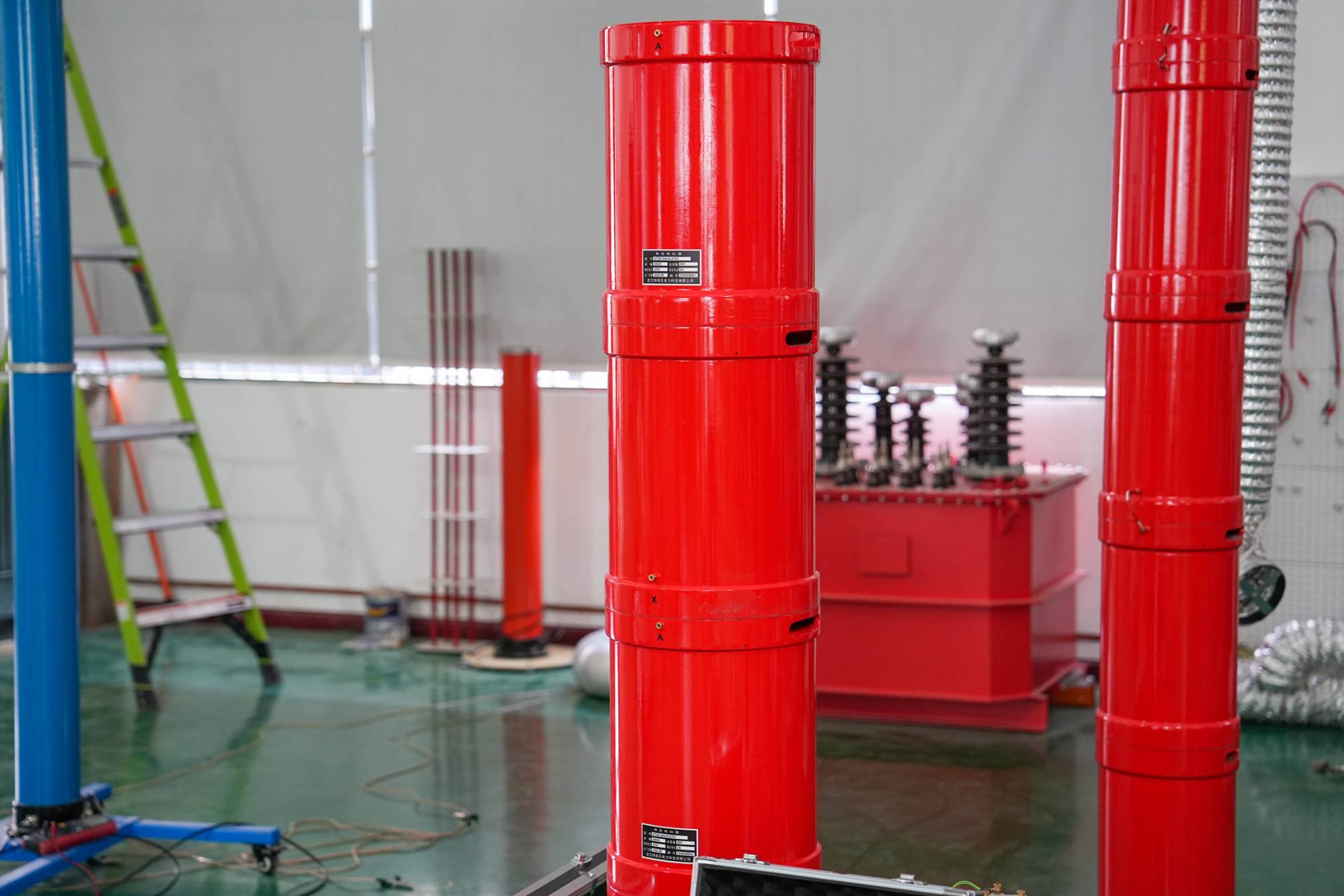
What is a frequency conversion resonance test device?
Simply put, the "frequency conversion resonance test device" is a device that can simulate the insulation performance testing of power equipment under different operating conditions, especially under high voltage conditions. It cleverly generates resonance phenomenon in the circuit by combining variable frequency power supply with reactors and capacitors, thereby accurately measuring the insulation resistance of the equipment under high voltage. It's like applying a 'stress test' to a device to see if its' body 'can withstand it.
Influencing factors and coping strategies
Conducting such high-voltage insulation tests is not an overnight process, and we need to consider several key points:
Voltage stability: Voltage fluctuations during the testing process can directly affect the accuracy of the results.
Frequency control: Accurate frequency control is the key to achieving effective resonance.
Environmental factors: Temperature, humidity, and other environmental changes can also affect insulation performance and need to be considered during testing.
To do this job well, some effective "tools" are indispensable. In addition to the variable frequency power supply and reactor mentioned earlier, precision measuring instruments are also indispensable. Of course, professional knowledge and rich experience are also important cornerstones to ensure the success of experiments and reliable results.
The professional strength of Wuhan UHV Power Technology Co., Ltd
In the field of power testing, Wuhan UHV Power Technology Co., Ltd. has demonstrated outstanding professional strength in the research and application of variable frequency resonance testing devices through years of deep cultivation and technological accumulation. The solutions they provide not only guarantee the performance of the equipment, but also provide reliable technical support and services for the vast number of power users in practical applications.
How can we do better?
In order to make the frequency conversion resonance test more efficient and accurate, we can start from the following aspects:
Optimize equipment selection: Select the most suitable reactor capacity and voltage level based on the specific situation of the tested equipment.
Refined operation: Strictly follow the operating procedures, accurately set the test parameters, and avoid misoperation.
Data analysis: Conduct in-depth analysis of experimental data, combined with equipment operation experience, to make accurate judgments.
Regular maintenance: Regularly inspect and maintain the testing device to ensure that it is in good working condition.
Cooperating with Wuhan UHV Power Technology Co., Ltd. can help you better cope with these challenges and ensure the long-term stable operation of power equipment.
What fields is the frequency conversion resonance test related to?
The application of frequency conversion resonance test device is very extensive, covering almost all fields of high-voltage power equipment, including but not limited to:
High-voltage switchgear
transformer
കേബിൾ
mutual inductor
ജനറേറ്റർ
GIS (Gas Insulated Metal Enclosed Switchgear)
The insulation performance of these devices is directly related to the safe and stable operation of the entire power system.
Frequently Asked Questions (FAQ)
Q: What is the difference between frequency conversion resonance test and traditional power frequency withstand voltage test? A: The frequency conversion resonance test can simulate the actual operating state of equipment under high voltage, and has low power requirements, which can generate high voltage with a small capacity.
Q: Why is the frequency conversion resonance test device important for testing "high-voltage cables"? A: Cable insulation is prone to aging due to environmental factors, and frequency conversion resonance testing can effectively detect insulation defects in cables and prevent breakdown accidents.
Q: What safety precautions should be taken when conducting frequency conversion resonance tests? A: It is necessary to strictly comply with the safety regulations for high-voltage testing, wear protective equipment, and be operated by professional personnel.
Q: What is the specific principle of "resonance" in the frequency conversion resonance test device? A: By adjusting the frequency of the variable frequency power supply, series resonance occurs between the reactor and the capacitor of the test sample, thereby obtaining the required test voltage on the test sample.
Q: How to choose the appropriate "reactor" to cooperate with the variable frequency power supply for testing? A: It is necessary to calculate and select the appropriate inductance value of the reactor based on the capacitance value of the test sample and the required test voltage and frequency.